
Medically reviewed content | Educational purposes only
Medical marijuana is no longer a fringe alternative—it’s a rapidly evolving part of modern healthcare. As legalization expands and research deepens, millions of people are exploring cannabis as a potential solution for chronic pain, anxiety, sleep disorders, and more.
But despite its growing popularity, many questions remain:
- How does medical marijuana actually work in the body?
- What conditions can it help with?
- Is it safe—and is it right for you?
This comprehensive guide breaks down the science, benefits, risks, and real-world uses of medical cannabis so you can make informed, responsible decisions.
What Is Medical Marijuana?
Medical marijuana refers to the use of the cannabis plant—or its active compounds—to treat symptoms of illness or improve quality of life. Unlike recreational cannabis, it is typically used with therapeutic intent and often under medical guidance.
Cannabis contains over 100 biologically active compounds known as cannabinoids, but two dominate most medical use:
THC (Tetrahydrocannabinol)
- Psychoactive (produces a “high”)
- Helps reduce pain and nausea
- Stimulates appetite
- May aid sleep
CBD (Cannabidiol)
- Non-intoxicating
- Reduces anxiety and inflammation
- Used for seizures and neurological conditions
- Promotes relaxation without impairment
Most medical cannabis products are formulated with varying ratios of THC and CBD to target specific symptoms.

How Medical Marijuana Works in the Body
To understand cannabis, you need to understand the endocannabinoid system (ECS)—a complex biological network found throughout the body.
The Endocannabinoid System Explained
The ECS plays a key role in maintaining homeostasis, or internal balance. It helps regulate:
- Pain perception
- Mood and emotional response
- Sleep cycles
- Appetite and digestion
- Immune function
It consists of three main components:
1. Endocannabinoids
Naturally produced compounds in your body that resemble cannabinoids from cannabis.
2. Receptors (CB1 and CB2)
- CB1 receptors: Found mainly in the brain and nervous system
- CB2 receptors: Found in immune cells and peripheral tissues
3. Enzymes
Break down cannabinoids after they’ve done their job.
How Cannabis Interacts with the ECS
When you consume cannabis:
- THC binds directly to CB1 receptors, influencing pain, mood, and appetite
- CBD works indirectly, enhancing natural endocannabinoids and reducing inflammation
This interaction is why cannabis can affect multiple systems at once—making it a versatile therapeutic option.
Medical Marijuana for Pain Relief
One of the most common reasons patients turn to cannabis is chronic pain management.
Why Chronic Pain Is Hard to Treat
Conditions like arthritis, fibromyalgia, and nerve damage often involve:
- Inflammation
- Misfiring pain signals
- Sleep disruption
Traditional treatments—especially opioids—carry risks of dependence and overdose.
How Cannabis Helps with Pain
Research suggests cannabis may help by:
- Reducing inflammation at the source
- Modulating pain signals in the nervous system
- Improving sleep, which indirectly lowers pain intensity
Conditions Commonly Treated
- Arthritis
- Fibromyalgia
- Migraines
- Neuropathic pain
- Back and joint pain
Many patients report improved quality of life with fewer severe side effects compared to conventional medications.
Cannabis vs. Opioids
| Factor | Cannabis | Opioids |
| Overdose risk | Extremely low | High |
| Addiction potential | Moderate (lower) | High |
| Side effects | Mild–moderate | Severe possible |
| Long-term safety | Still studied | Well-documented risks |
Cannabis is not risk-free—but for some patients, it may be a safer alternative.
Medical Marijuana for Anxiety and Mental Health
Mental health is another major area where cannabis is gaining attention—especially for anxiety-related conditions.
How Cannabis Affects Anxiety
Cannabis influences brain regions involved in:
- Stress response
- Emotional regulation
- Fear processing
CBD for Anxiety
CBD is widely used because it:
- Reduces overactivity in the brain
- Promotes calm without intoxication
- Has a low risk of side effects
Conditions That May Benefit
- Generalized Anxiety Disorder (GAD)
- Social anxiety
- PTSD
- Panic disorders
Important Consideration: THC and Anxiety
While low doses of THC may help relaxation, high doses can worsen anxiety or trigger paranoia in some individuals.
👉 This is why:
- Beginners should start with low-THC or CBD-dominant products
- Gradual dosing is essential
Other Medical Uses of Cannabis
Medical marijuana is being explored for a wide range of conditions due to its systemic effects.
Sleep Disorders (Insomnia)
Cannabis may:
- Reduce time to fall asleep
- Improve sleep quality
- Help regulate sleep cycles
Cancer-Related Symptoms
Used to:
- Reduce nausea from chemotherapy
- Stimulate appetite
- Manage cancer-related pain
Epilepsy and Seizures
CBD-based treatments have shown effectiveness in reducing seizure frequency in certain conditions.
Multiple Sclerosis (MS)
Cannabis may help:
- Reduce muscle spasms
- Improve mobility
- Decrease pain
Inflammatory Conditions
Including:
- Crohn’s disease
- Rheumatoid arthritis
- Autoimmune disorders
Who Can Benefit from Medical Marijuana?
Medical cannabis is not a one-size-fits-all solution—but it may be helpful for:
- Chronic pain sufferers
- Individuals with anxiety or stress disorders
- Patients experiencing medication side effects
- People seeking alternatives to pharmaceuticals
However, suitability depends on:
- Medical history
- Current medications
- Individual tolerance
👉 Always consult a qualified healthcare provider before starting.
Is Medical Marijuana Safe?
For most adults, medical cannabis is considered relatively safe when used responsibly. However, it does come with risks.
Common Side Effects
- Dry mouth
- Drowsiness
- Dizziness
- Increased heart rate (with THC)
- Impaired coordination
These effects are typically dose-dependent.
Long-Term Considerations
- Potential cognitive effects with heavy THC use
- Risk of dependency in some users
- Unknown effects with prolonged high-dose use
Understanding Cannabis Use Disorder
Although less addictive than many substances, cannabis can still lead to dependence.
Signs of Cannabis Use Disorder
- Difficulty stopping use
- Increased tolerance
- Withdrawal symptoms (irritability, sleep issues)
- Continued use despite negative consequences
Risk Factors
- High-THC products
- Frequent, heavy use
- Early age of use
Responsible Use Guidelines
- Start with low doses
- Choose balanced THC/CBD ratios
- Take tolerance breaks
- Monitor your response
How to Use Medical Marijuana Safely
If you’re new to cannabis, following best practices can make a major difference.
1. Start Low and Go Slow
Begin with small doses and increase gradually.
2. Choose the Right Product Type
Common Options
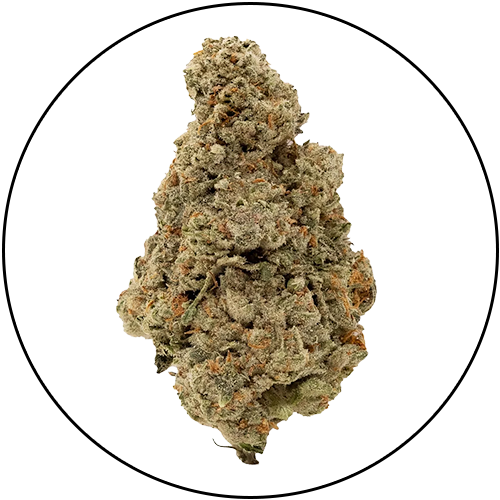
- Marijuana flower: Fast-acting, inhaled
- Weed edibles: Longer-lasting, slower onset
- Tinctures: Controlled dosing
- Topicals: Localized relief
3. Understand Timing
| Method | Onset | Duration |
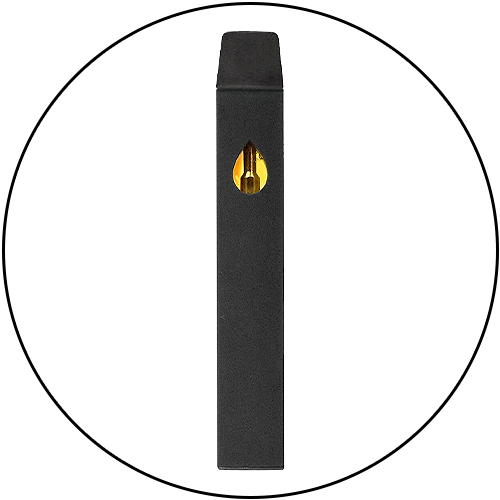
| Smoking/Vaping | Minutes | 2–4 hours |
| Edibles | 30–90 mins | 6–8 hours |
| Tinctures | 15–45 mins | 4–6 hours |
4. Track Your Experience
Keep notes on:
- Dosage
- Effects
- Side effects
This helps you find what works best.
Legal Considerations
Medical marijuana laws vary widely depending on location.
Patients should:
- Check local regulations
- Obtain proper authorization if required
- Purchase from licensed providers
Choosing High-Quality Cannabis Products
Quality matters significantly in both safety and effectiveness.
What to Look For
- Lab-tested products
- Clear THC/CBD labeling
- No contaminants (pesticides, heavy metals)
- Transparent sourcing
Why Source Matters
Reliable marijuana dispensaries ensure:
- Product consistency
- Accurate dosing
- Safer consumption
For example, providers like The Distro emphasize lab-tested products and curated selections designed to support both beginners and experienced users navigating medical cannabis.
Frequently Asked Questions
Is medical marijuana addictive?
It can be in some cases, especially with high-THC use, but the risk is lower than many other substances.
Is CBD better than THC?
Not necessarily—it depends on your condition. CBD is better for anxiety and inflammation, while THC is more effective for pain and appetite.
How long does cannabis stay in your system?
It varies based on frequency of use, body composition, and product type—ranging from days to weeks.
Can I use medical marijuana every day?
Some patients do, but daily use should be monitored carefully to avoid tolerance or dependence.
Do I need a prescription?
In many regions, medical authorization is required. Always check your local laws.
Final Thoughts: Is Medical Marijuana Right for You?
Medical marijuana is changing how people approach health and wellness. Its ability to interact with the body’s natural systems makes it a unique and promising option for managing a wide range of conditions.
However, it’s not a cure-all—and it’s not without risks.
The key to success with cannabis is:
- Education
- Responsible use
- High-quality products
- Professional guidance
If approached thoughtfully, medical marijuana can be a powerful tool for improving quality of life.
Explore Medical Cannabis Options
If you’re considering medical marijuana, start with trusted, high-quality sources.
Dispensaries like The Distro offer carefully selected, lab-tested products designed to help you find the right balance for your needs—whether you’re managing pain, reducing anxiety, or exploring natural alternatives.
Disclaimer
This article is for informational purposes only and does not constitute medical advice. Always consult a qualified healthcare provider before starting any new treatment.
References:
Mayo Clinic Staff. (2024, May 30). Medical Marijuana. Available at: https://www.mayoclinic.org/healthy-lifestyle/consumer-health/in-depth/medical-marijuana/art-20137855
Watson, S., Painter, K. Medically Reviewed by Begum, J., MD (2024, January 09). Medical Marijuana: Benefits and Side Effects. Available at: https://www.webmd.com/a-to-z-guides/medical-marijuana-faq