
Psilocybin—once associated with underground counterculture—is now at the center of serious scientific research, mental health innovation, and policy reform. From clinical trials at Johns Hopkins to state-level legalization efforts in the U.S., interest in psychedelic mushrooms is growing rapidly.
But with that growing attention comes confusion.
What exactly is psilocybin?
Is it safe?
Can it really help with depression, anxiety, or addiction?
And perhaps most importantly—is it legal?
This comprehensive guide breaks down the science, benefits, risks, and legal landscape of psilocybin so you can understand the facts—not just the hype.
What Is Psilocybin?
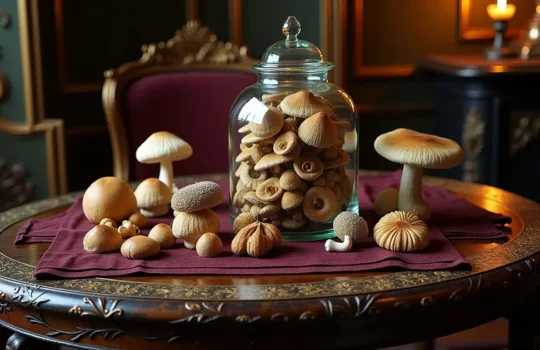
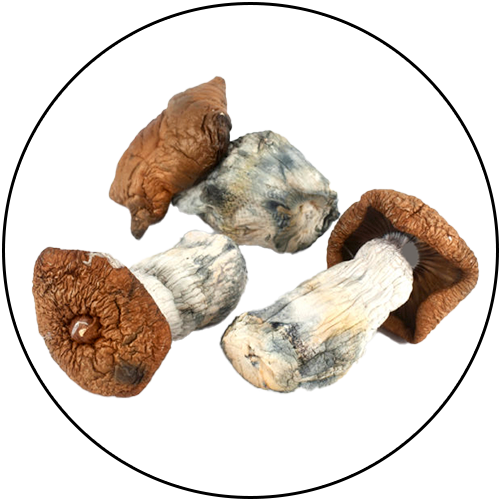
Psilocybin is a naturally occurring psychedelic compound found in over 180 species of mushrooms, commonly referred to as magic mushrooms or psilocybin mushrooms.
When consumed, psilocybin is converted in the body into psilocin, the active compound responsible for its psychoactive effects. Psilocin interacts with serotonin receptors in the brain—particularly the 5-HT2A receptor—leading to altered perception, mood, and cognition.
A Brief History
Psilocybin mushrooms have been used for centuries in ceremonial and spiritual practices, particularly among Indigenous cultures in Central and South America. These traditions often emphasized healing, introspection, and connection.
Modern science is now revisiting these compounds—not as recreational substances, but as potential tools for mental health treatment.
Common Types of Psilocybin Mushrooms
While there are many species, a few are especially well-known:
- Psilocybe cubensis – The most widely cultivated and studied species
- Psilocybe semilanceata (Liberty Caps) – Common in Europe and North America
- Psilocybe azurescens – One of the most potent naturally occurring varieties
Each species varies in potency, growing conditions, and effects—but all contain psilocybin.
How Psilocybin Affects the Brain
Psilocybin doesn’t just “make you hallucinate”—it fundamentally alters how different parts of the brain communicate.
Key Effects on Brain Function:
- Increased Neural Connectivity
Brain regions that don’t عادة communicate begin interacting, which may explain enhanced creativity and novel thinking patterns. - Disruption of the Default Mode Network (DMN)
The DMN is associated with self-referential thinking and rumination. Psilocybin temporarily quiets this network, which may help “reset” negative thought loops. - Enhanced Emotional Processing
Users often report heightened emotional awareness and the ability to process difficult experiences more openly.
What Does a Psilocybin Experience Feel Like?
A psilocybin experience (often called a “trip”) can vary widely depending on dose, environment, mindset, and individual biology.
Typical Timeline:
- 0–60 minutes: Onset (subtle shifts in perception and mood)
- 1–3 hours: Peak effects (visuals, altered thinking, emotional intensity)
- 3–6 hours: Gradual return to baseline
- 6–24 hours: Afterglow (lingering sense of clarity or calm)
Common Effects:
- Visual distortions (patterns, colors, movement)
- Altered sense of time
- Deep introspection
- Emotional release
- Feelings of interconnectedness
Not every experience is positive—set and setting play a major role.
Potential Benefits of Psilocybin
Research into psilocybin has accelerated dramatically over the past decade. While it’s not a cure-all, early findings are promising.
1. Depression and Anxiety
Clinical trials from institutions like Johns Hopkins and NYU have shown that psilocybin-assisted therapy may significantly reduce symptoms of:
- Treatment-resistant depression
- General anxiety
- End-of-life distress
In some cases, a single guided session has produced lasting improvements.
2. Addiction Recovery
Psilocybin may help disrupt addictive patterns by:
- Reducing cravings
- Increasing self-awareness
- Encouraging behavioral change
Studies have explored its potential for treating nicotine and alcohol dependence, with encouraging results.
3. Increased Creativity and Cognitive Flexibility
Users often report:
- Enhanced problem-solving
- New perspectives on personal challenges
- Greater openness to ideas
This may be linked to increased brain connectivity during the experience.
4. Spiritual and Emotional Insight
Many describe psilocybin experiences as among the most meaningful of their lives.
Reported outcomes include:
- A sense of unity or “oneness”
- Reduced fear of death
- Emotional breakthroughs
These effects are a key reason psilocybin is being explored in therapeutic settings.
Microdosing vs Full Dosing
Not all psilocybin use involves full psychedelic experiences.
| Feature | Microdosing | Full Dose |
| Perceptual Changes | Minimal | Strong |
| Duration | Subtle, ongoing | 4–8 hours |
| Use Case | Focus, mood | Therapy, introspection |
| Frequency | Repeated | Occasional |
Microdosing involves taking very small amounts (typically 1/10th of a full dose) and is often used for mood or productivity—though scientific evidence is still limited.
Psilocybin Therapy: A New Frontier
Psilocybin therapy is one of the most exciting developments in modern mental health care.
What a Session Typically Involves:
- Preparation
Patients work with a trained professional to set intentions and build trust. - Guided Experience
Psilocybin is administered in a controlled environment, often with music and therapeutic support. - Integration
Post-session discussions help patients process insights and apply them to daily life.
This structured approach significantly reduces risks and enhances outcomes.
Risks and Side Effects
Psilocybin is not without risks—especially when used without guidance.
Physical Side Effects:
- Nausea
- Dizziness
- Increased heart rate
Psychological Risks:
- Anxiety or panic (“bad trips”)
- Paranoia
- Temporary confusion
Who Should Avoid Psilocybin?
- Individuals with a history of psychosis
- Those on certain medications (e.g., SSRIs)
- People in unstable mental health states
A safe environment and proper preparation are critical.
Is Psilocybin Legal?
The legal status of psilocybin is complex and evolving.
United States Overview:
- Federal Level: Illegal (Schedule I substance)
- Oregon: Legal for supervised therapy
- Colorado: Decriminalized + regulated use
- Cities like Denver, Oakland, Seattle: Decriminalized
What This Means:
In most places, possession and use remain illegal. However, momentum toward legalization—especially for therapeutic use—is growing.
Always check local laws before considering use.
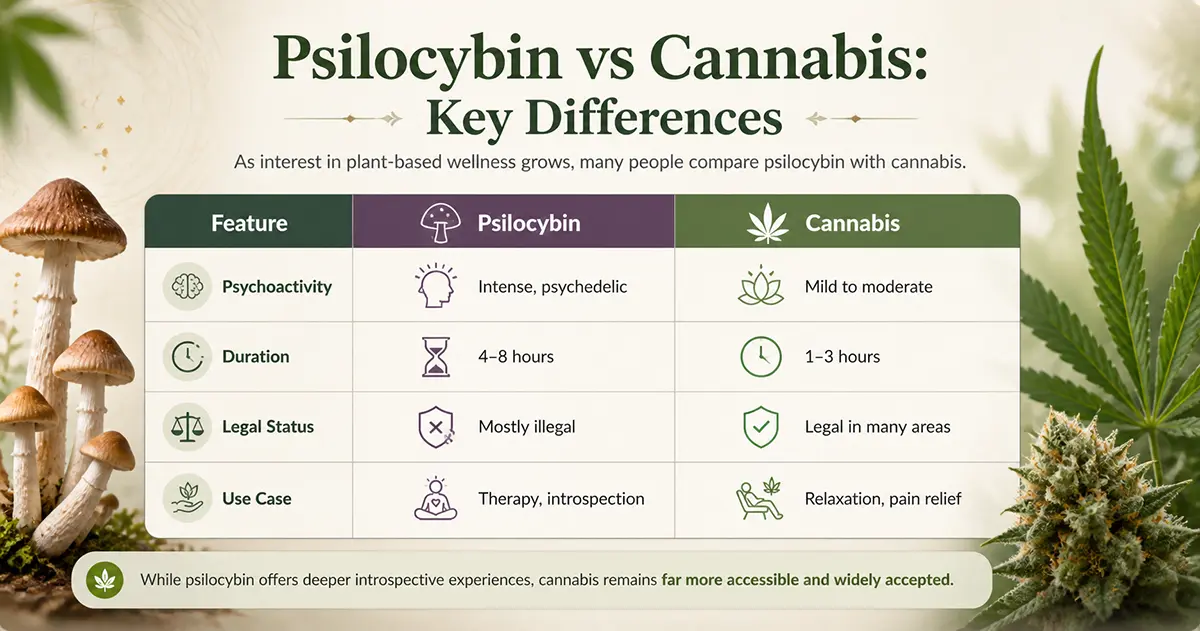
Psilocybin vs Cannabis: Key Differences
As interest in plant-based wellness grows, many people compare psilocybin with cannabis.
| Feature | Psilocybin | Cannabis |
| Psychoactivity | Intense, psychedelic | Mild to moderate |
| Duration | 4–8 hours | 1–3 hours |
| Legal Status | Mostly illegal | Legal in many areas |
| Use Case | Therapy, introspection | Relaxation, pain relief |
While psilocybin offers deeper introspective experiences, cannabis remains far more accessible and widely accepted.
The Future of Psilocybin
The landscape is shifting quickly.
Trends to Watch:
- Expansion of psychedelic therapy clinics
- Potential FDA approvals
- Increased public acceptance
- Continued decriminalization
Psilocybin may soon move from fringe substance to regulated therapeutic tool.
A Practical, Legal Alternative: Exploring Cannabis
While psilocybin remains restricted in most areas, many people are turning to legal, plant-based alternatives to support relaxation, creativity, and mental well-being.
Cannabis, for example, offers:
- Stress relief and relaxation
- Mood enhancement
- Improved sleep
- Mild introspective effects (depending on strain and dosage)
For those curious about exploring altered states in a safer, legal way, cannabis can be a more accessible starting point.
Discover Elevated Experiences with The Distro
If you’re interested in exploring plant-based wellness in a legal and controlled way, The Distro offers a curated selection of high-quality cannabis products designed for modern lifestyles.
At The Distro, you’ll find:
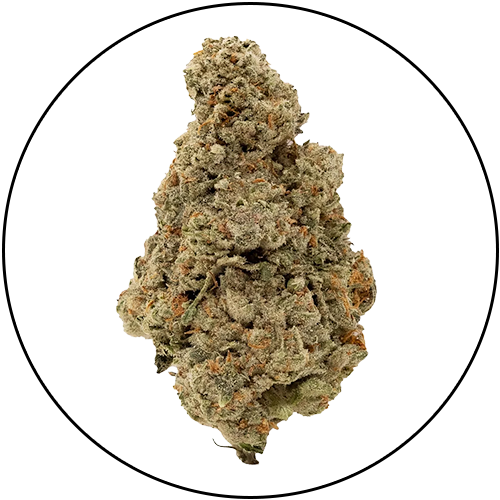
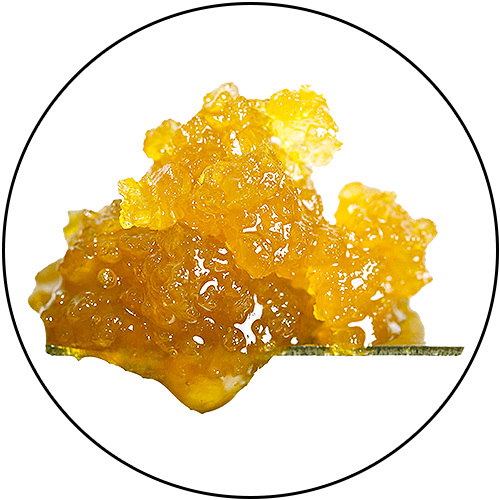
- Premium flower and concentrates
- Carefully dosed edibles for balance and relaxation
- Fast, discreet shipping across the U.S.
Whether you’re looking to unwind after a long day or explore new perspectives in a safe, legal context, The Distro provides options tailored to your experience level.
Should You Try Psilocybin?
Psilocybin isn’t for everyone—and it’s not something to approach casually.
Before considering it, ask yourself:
- Is it legal where you are?
- Do you have access to a safe, guided environment?
- Are you prepared for an intense psychological experience?
For many people, the answer—at least for now—is to explore safer, legal alternatives while research and regulations continue to evolve.
Final Thoughts
Psilocybin is no longer just a fringe topic—it’s a rapidly evolving field at the intersection of science, mental health, and culture.
The research is promising. The experiences can be profound. But the risks and legal limitations are real.
As the landscape continues to shift, one thing is clear:
The future of wellness is expanding beyond traditional approaches—and plant-based compounds like psilocybin and cannabis are playing a growing role in that evolution.
FAQ: Psilocybin Basics
Is psilocybin addictive?
No, psilocybin is not considered physically addictive, though psychological misuse is possible.
How long do shrooms last?
Typically 4–8 hours, depending on dose and individual factors.
Can psilocybin cure depression?
It shows promise in clinical settings, but it is not yet an approved treatment in most places.
If you’re looking for a legal, accessible way to elevate your mind and body, explore the curated cannabis selection at The Distro—where modern wellness meets quality and convenience.
References:
Web MD. (2025, August 28). Psilocybin – Uses, Side Effects, and More. Available at: https://www.webmd.com/vitamins/ai/ingredientmono-1654/psilocybin
NIH. (2024, August 13). How psychedelic drugs alter the brain. Available at: https://www.nih.gov/news-events/nih-research-matters/how-psychedelic-drugs-alter-brain
Morales, P., Medically reviewed by A. Nguyen, PharmD, RPh, CPh. (2024, October 29). What to know about microdosing. Medical News Today. Available at: https://www.medicalnewstoday.com/articles/microdosing